assistive devices

StrideAssist: a hip flexion assist patients will actually wear

A form-fitting, tights-based hip flexion assist device for ambulatory multiple sclerosis — built to match the functionality of a bulky market-standard brace while actually being comfortable enough to wear every day.

The problem

A way to assist gait mechanics in patients with ambulatory MS that increases user compliance with hip flexion orthosis.

Multiple sclerosis causes the immune system to attack the central nervous system, disrupting neural communication and, for many patients, causing hip flexion weakness that makes walking difficult. Hip flexion assist devices already exist to help — but the market-standard option is so uncomfortable and difficult to put on that patients frequently stop wearing it, which defeats the point of prescribing it in the first place. The real design problem isn't just mechanical assistance; it's compliance.

Current market

BraceWorx's hip flexion assist device gets the mechanics right — a supportive waistband with rubber-band tension worked as a proof of concept — but the everyday experience of wearing it falls short in almost every other way.

Complex, multi-step donning and doffing procedurekeep tension mechanism
Cannot be worn discreetly under regular clothingredesign silhouette
Uncomfortable for extended daily wearredesign material
A couple walking outdoors, the woman wearing a visible external hip flexion assist brace over her clothing.
The market-standard hip flexion assist brace — functional, but worn externally over clothing

The design

StrideAssist reworks the same tension-band concept into a pair of form-fitting tights, so the assistive mechanism disappears under everyday clothing instead of announcing itself. Interchangeable tension bands keep the device adjustable to each patient's needs while the garment itself handles fit and comfort.

Sizes XS–XL, device weighs under 5 lbs
Dons or doffs in under 5 minutes
Interchangeable bands, 5–20 lbs of tensile force
Ankle supports fit inside regular shoes
Washable, rated to last ~200 days of wear
Visually anonymous under everyday clothing

Prototype & next steps

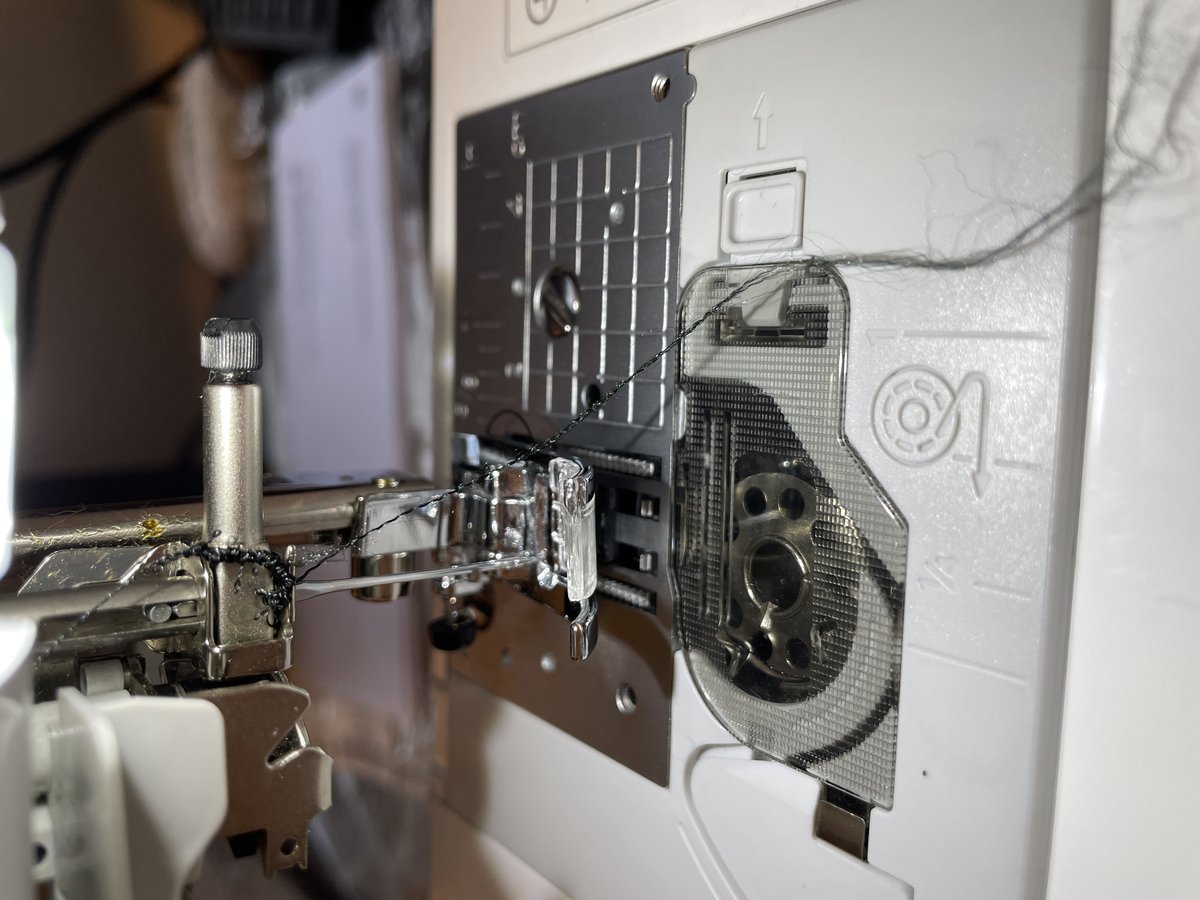
Fabrication turned out to be the hardest part of the project. The belt needed to stay stiff while the tights needed to stretch, and off-the-shelf leggings didn't leave enough room to route the tension bands the way we needed. Threads frayed, needles broke, and the chosen material combination pushed past what any of us had sewn before — until two far more experienced sewists stepped in and helped get a working prototype across the finish line.

Close-up of a sewing machine mid-stitch on the StrideAssist prototype fabric.
Sewing the prototype — material choice pushed past our prior sewing experience
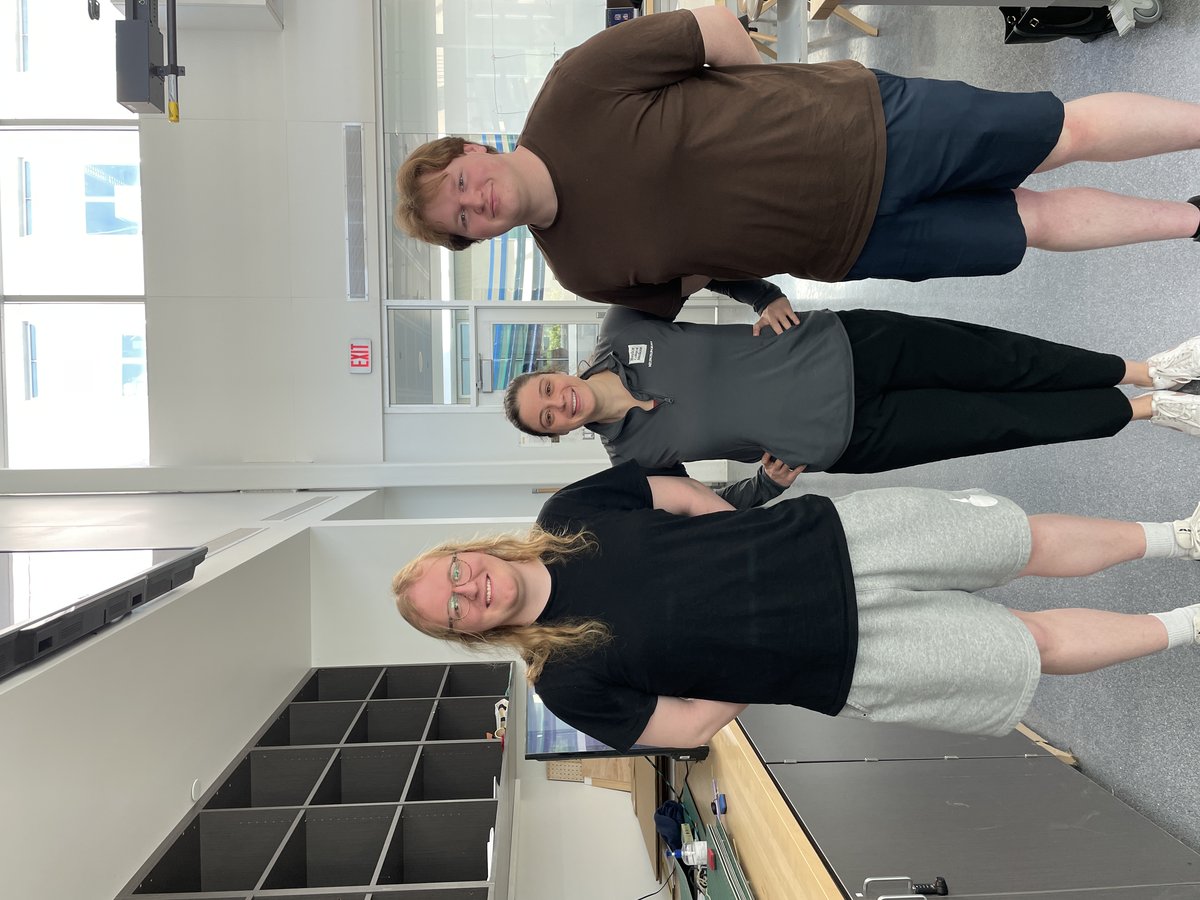
The StrideAssist team in the lab after completing the prototype.
The team after finishing the working prototype

Next steps: adding fabric channels to the legs to hide the rubber bands, distributing force across a wider area of the foot rather than concentrating it, and offering a range of styles and fits so the device works for more body types.

key words

assistive technology orthotics multiple sclerosis gait assist wearable device design human-centered design textile fabrication patient compliance prototype iteration

Full slide deck

Complete presentation: market research, product specifications, fabrication process, and next steps.

Download PDF